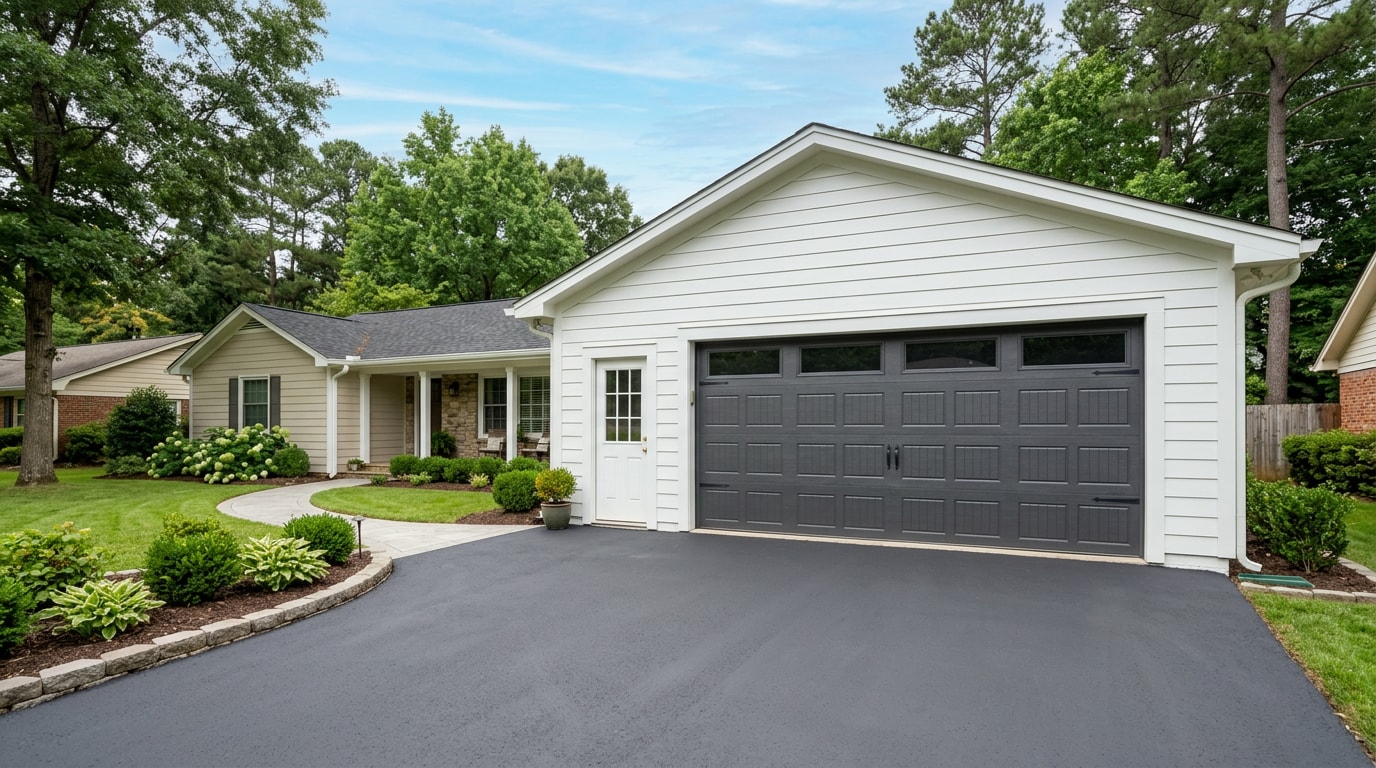
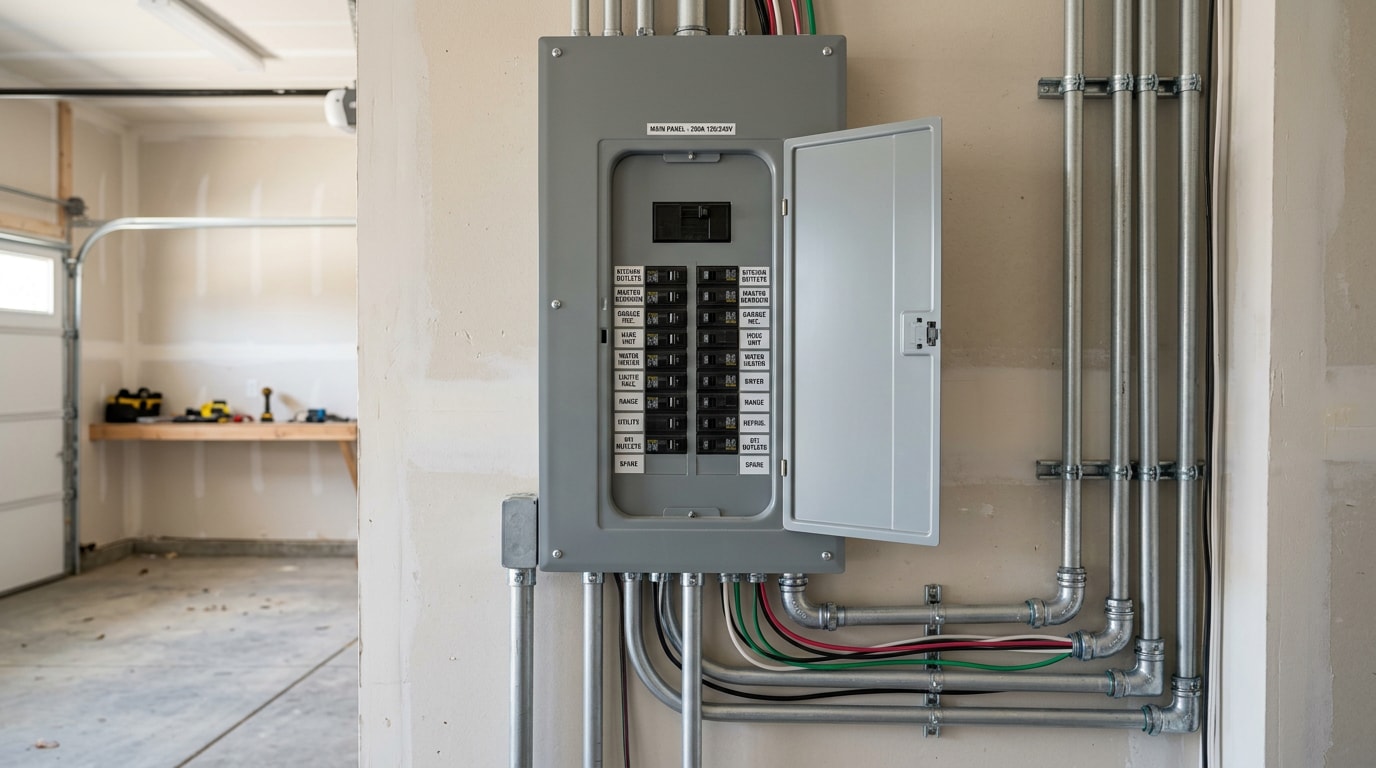
An electrical construction company in Hoover, AL handles a different scope of work than the electrician you call for a tripped breaker. It covers new circuits for additions, rough-in wiring before drywall goes up, and panel sizing for a remodel or build-out. If you're planning a project bigger than a repair ticket, here's what actually determines whether it passes inspection the first time.
What Counts as "Electrical Construction" vs. a Basic Repair Call
A basic service call fixes what's already there: a dead outlet, a flickering light, a breaker that keeps tripping.
Electrical construction is different. It's new work tied to a building project, not a fix.
That includes:
- New circuits for a home addition or converted garage
- Rough-in wiring before insulation and drywall go up
- Panel upgrades sized for added square footage or new equipment
- Commercial tenant build-out wiring that has to match the business's actual load
In Alabama, this kind of work has to be performed or supervised by a contractor licensed through the Alabama Electrical Contractors Board, regardless of the dollar value of the job.
Electrical Construction During a Remodel, Addition, or Build-Out in Hoover
This is the part most homeowners underestimate: electrical construction isn't a standalone trade on a remodel. It has to be sequenced correctly with everything else happening on site.
Demo comes first. Framing comes next. Then electrical rough-in has to go in and pass inspection before insulation and drywall close up the walls. Get that order wrong and you're opening up finished walls to fix it.
On our own projects, we've seen what happens when that sequence isn't coordinated: a basement finish in Ross Bridge that needed a sub-panel added mid-project because the original rough-in didn't account for a planned wet bar circuit. Catching that before drywall saved the homeowner a demo-and-redo.
Projects that typically need electrical construction coordination, not just a repair call, include:
- Home additions with new square footage to wire
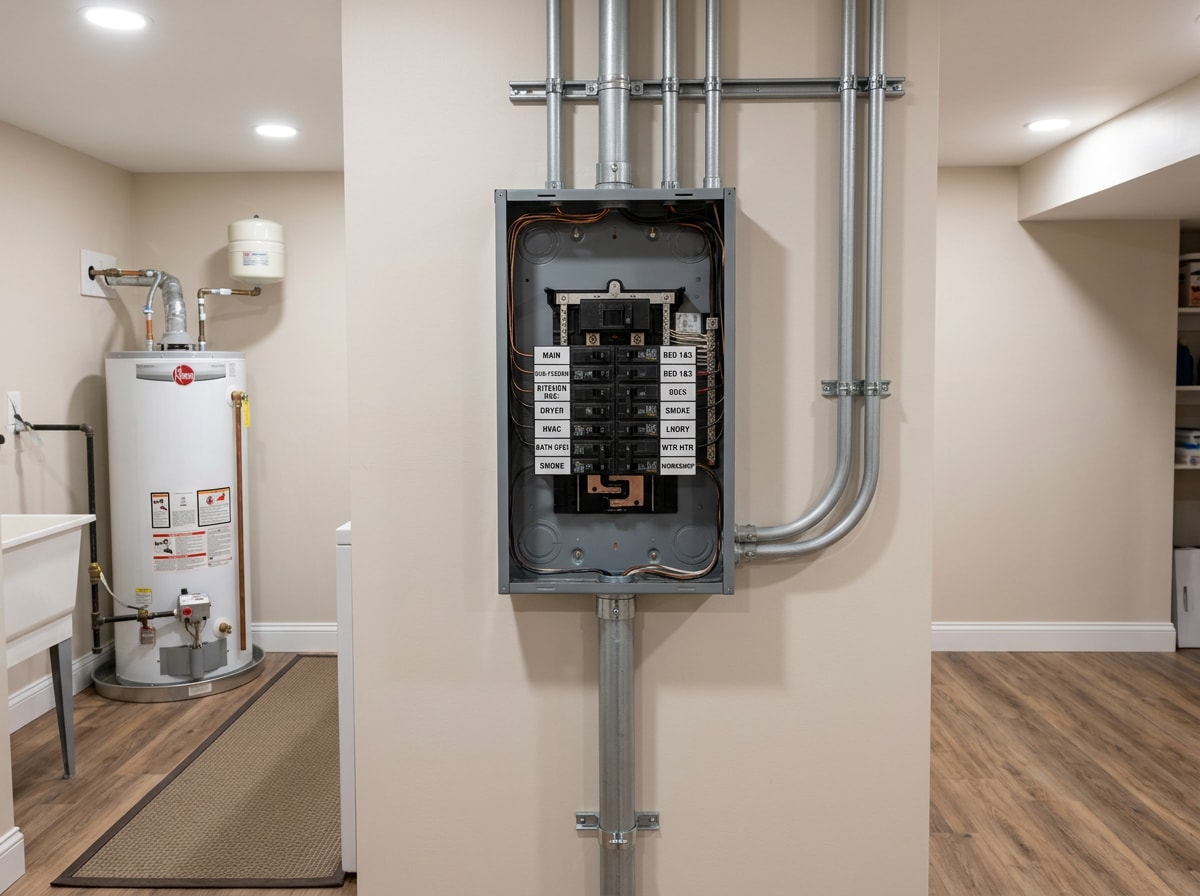
- Basement finishing projects adding circuits, lighting, and often a sub-panel
- Kitchen remodels that need dedicated appliance circuits and updated GFCI protection
- Bathroom remodels adding fixtures, exhaust fans, or heated flooring circuits
- Any project where drywall installation is scheduled right after rough-in
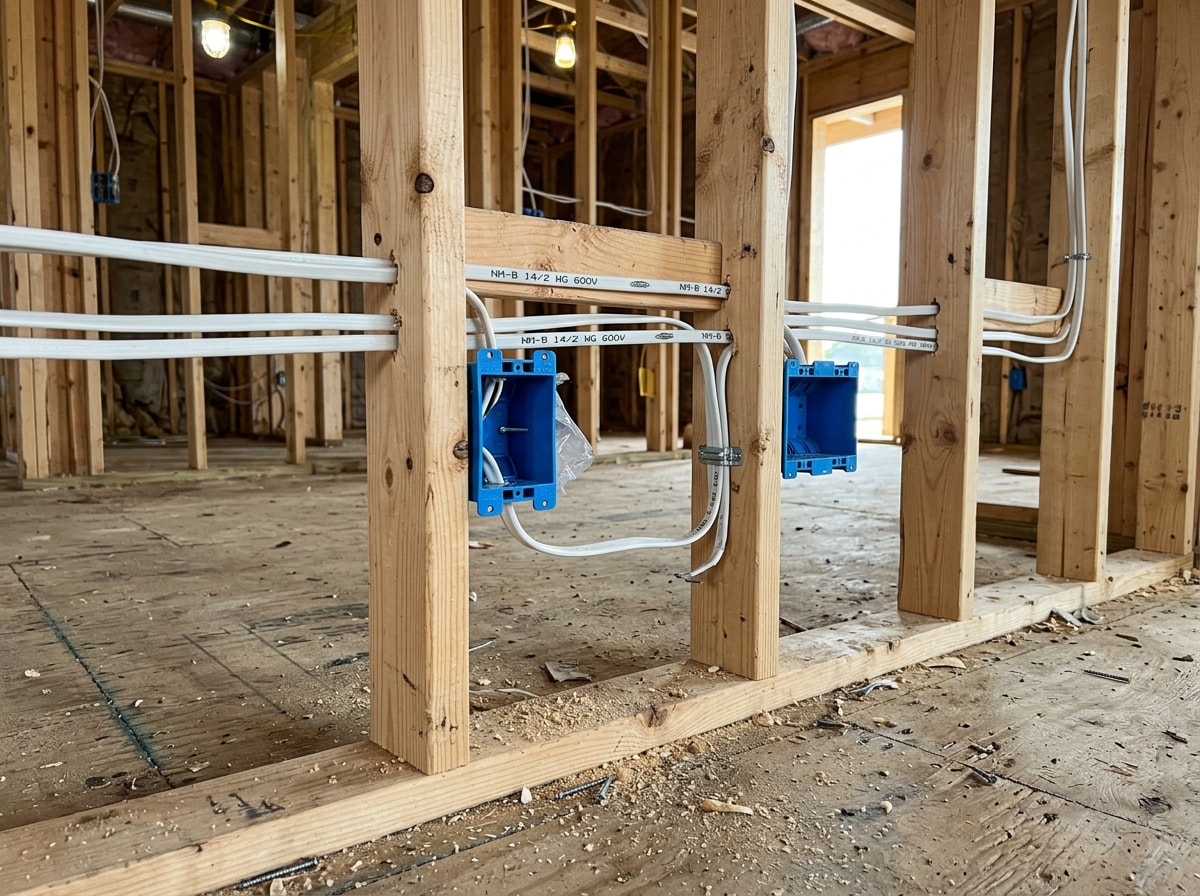
If your project touches any of these, the electrical work and the remodel timeline are the same conversation. We manage both through our home additions, basement finishing, kitchen remodeling, bathroom remodeling, and drywall installation services, so the electrical scope is built into the project plan from day one instead of handled as an afterthought.
Hoover's 2026 Electrical Permit and Code Rules
Hoover runs its own permitting process, separate from the surrounding counties, and it applies to nearly every electrical project.
The city has adopted the 2020 National Electrical Code, and electrical permits are required for all electrical work, whether it's a repair or a new installation. A licensed Master Electrician or the property owner must perform the work, and the contractor doing the job needs an active City of Hoover business license on file before a permit is issued.
Fees are scaled to the job: the minimum permit fee is $60, and the contractor must show a current Master Electrician Card before the city will issue the permit. Inspections are required on all work performed, and Alabama Power will not connect a temporary or permanent meter without a release from the city's Inspection Services Department. You can review the full requirements directly on the City of Hoover's electrical permit page.
If your project involves converting unfinished space, like a garage, into living area, the permit and code sequence is nearly identical to what we walk through in our guide to garage remodel contractors in Trussville, AL, including how electrical rough-in fits into that timeline.
Licensing: Who's Actually Allowed to Do This Work
Alabama does not let unlicensed contractors perform electrical construction, full stop. The Alabama Electrical Contractors Board (AECB) issues the licenses for Electrical Contractors and Journeyman Electricians, and it's the only agency that can confirm whether a contractor is currently in good standing. You can check license status and find the current rules directly through the Alabama Electrical Contractors Board.
On the jobsite itself, electrical construction work also falls under federal workplace safety rules. OSHA's construction-specific electrical standards, found in 29 CFR 1926 Subpart K, cover things like temporary wiring, grounding, and protection from incomplete installations, which is exactly the stage a remodel or addition sits in until rough-in is finished and inspected.
Skipping licensing requirements doesn't just risk a failed inspection. It can void insurance coverage and create a disclosure problem at resale.
What Drives Cost on an Electrical Construction Project
Pricing for electrical construction work is scope-driven, not flat-rate. A few factors move the number more than anything else:
| Cost Factor | Why It Matters |
|---|---|
| Permit and inspection fees | Hoover's minimum electrical permit fee is $60, scaled up based on job cost |
| Panel capacity | Older homes often need a panel upgrade before new circuits can be added safely |
| Accessibility | Open stud walls (new construction) cost less to wire than finished walls that need to be opened up |
| Load calculation | Added appliances, EV chargers, or equipment change the required circuit size |
| Trade coordination | Projects requiring electrical rough-in before drywall need tighter scheduling with the GC |
EV charger additions are a good example of why a quick estimate over the phone rarely holds up. According to ENERGY STAR's home electrification guidance, whether a panel upgrade is even necessary depends on the home's existing amperage and available breaker space, not just the charger itself. That's the kind of detail that only gets answered with an on-site load calculation, not a ballpark number.
How We Coordinate Electrical Construction With Your Remodel
We're not a stand-alone electrical shop, and we don't pretend to be. We're a remodeling and construction company that manages the full project, including the electrical scope, so trades aren't working against each other's timelines.
Here's how that actually runs on a typical job:
- We walk the space and scope the electrical needs against the rest of the remodel plan.
- Permits get pulled before any wall comes down, not after.
- Demo and framing happen first, then electrical rough-in goes in.
- Rough-in is inspected before insulation or drywall closes anything up.
- Final trim-out, fixtures, and the final city inspection close out the project.
That sequence is the difference between a remodel that passes inspection on the first try and one that gets reopened. If you're not sure where your project falls on that timeline yet, a remodeling consultation is the fastest way to find out.
Why Hoover Homeowners Choose The Old Town Remodeler
We're local to the Hoover area, not a call center routing crews in from out of state. Every project is scoped on-site, permitted correctly, and scheduled so electrical work doesn't become the bottleneck on your remodel.
You can see the kind of work this looks like finished on our projects page, and you can see the full range of what we handle on our homepage.
Ready to scope your project? Request a professional quote and we'll walk the space with you before anything gets demoed.
Areas We Serve Near Hoover, AL
Along with Hoover, we handle remodeling and construction projects, electrical scope included, throughout the surrounding area:
FAQ
Do I need a permit for electrical work in Hoover, AL?
Yes. The City of Hoover requires an electrical permit for all electrical work, whether it's a repair or a new installation. A licensed Master Electrician or the property owner must perform the work, and an inspection is required before the job closes.
Do I need a licensed electrical contractor in Alabama?
Yes. Electrical construction and repair work in Alabama requires licensing through the Alabama Electrical Contractors Board, regardless of the size of the job. Hiring an unlicensed contractor puts your permit, your insurance coverage, and your resale disclosures at risk.
How much does an electrical construction project cost in Hoover, AL?
It depends on scope. Panel capacity, wall accessibility, load calculations, and permit fees all factor in, and Hoover's own minimum electrical permit fee is $60 before contractor costs. An accurate number requires an on-site walkthrough, not a phone estimate.
Can my remodeling contractor handle the electrical work on my project?
If your remodeler coordinates licensed electrical work as part of the overall construction plan, yes. That's standard for additions, basement finishes, and kitchen or bathroom remodels where new circuits have to be sequenced with framing, insulation, and drywall.
What's the difference between a repair call and electrical construction?
A repair call fixes an existing problem, like a dead outlet or tripped breaker. Electrical construction is new work tied to a building project, such as rough-in wiring for an addition or a panel upgrade sized for a remodel.