

Can a general contractor do electrical work in Pelham, AL? Not legally, unless that contractor also holds a separate license from the Alabama Electrical Contractors Board (AECB). Skip this rule and a Pelham homeowner risks a failed city inspection, a voided insurance claim, or a stop-work order, so here's exactly how Alabama splits the licensing and what it means for your remodel.
At The Old Town Remodeler, we coordinate licensed electrical subcontractors on nearly every kitchen, bathroom, and addition project we run in Shelby County, which means we deal with Pelham's permit desk directly and know where homeowners usually get tripped up.
The Short Answer
A general contractor manages your project. A licensed electrician wires it. Those are two different licenses in Alabama, issued by two different state boards, and holding one does not grant authority to perform the other.
- General contracting license → Alabama Licensing Board for General Contractors (commercial) or the Home Builders Licensure Board (residential)
- Electrical contracting license → Alabama Electrical Contractors Board (AECB), with no project-size exemption
If your GC offers to run new circuits, swap a panel, or rewire a room without bringing in a licensed electrician, that's a red flag worth asking about directly.
What a General Contractor Is Actually Licensed to Do
A general contractor's job is coordination, not wiring. That means scheduling subcontractors, managing the budget, and confirming the finished work meets local building codes.
Most GCs also handle day-to-day supervision of specialty trades on site, walking the job with framers, plumbers, painters, and electricians so the work finishes on schedule and passes inspection. Supervising an electrician's work and being legally qualified to do that electrician's job yourself are two very different things, and Alabama's licensing boards treat them that way.
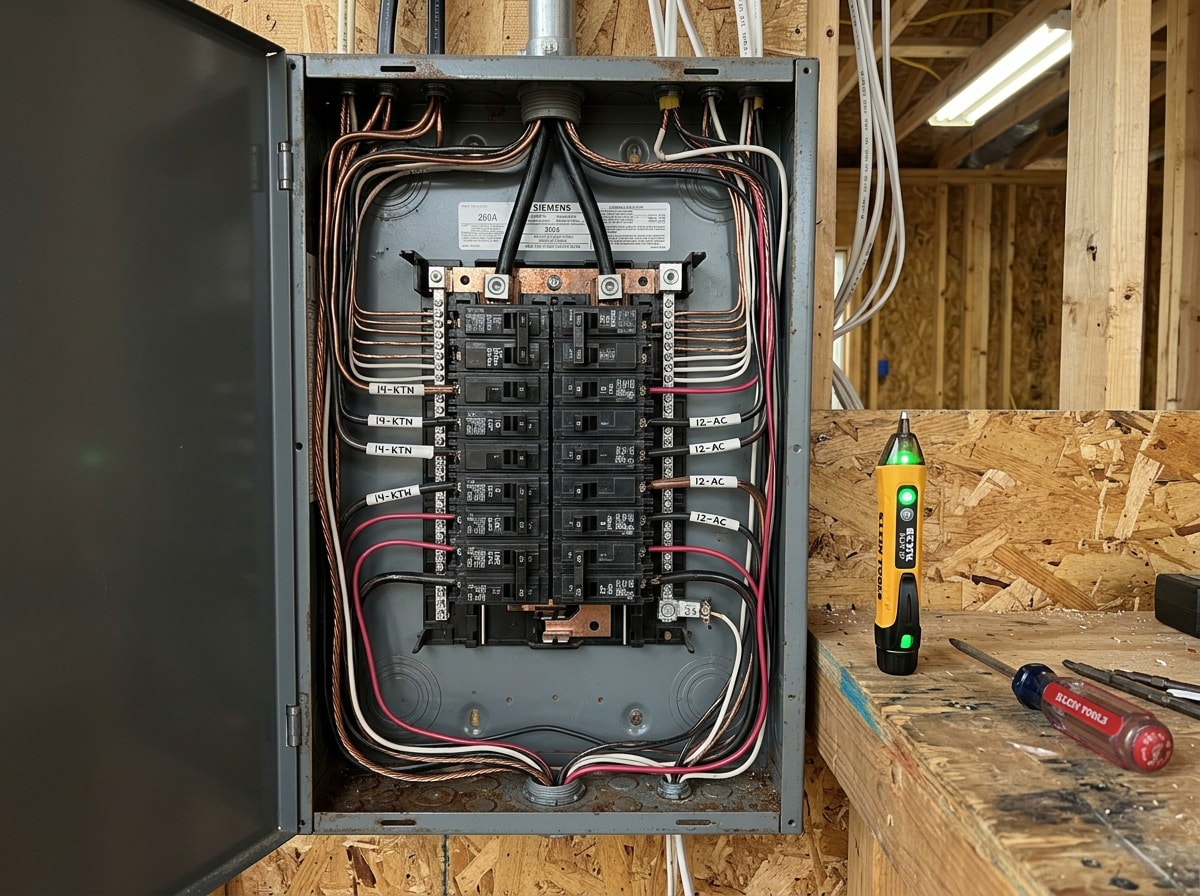
Who Regulates Electrical Work in Alabama
The Alabama Electrical Contractors Board (AECB) licenses anyone engaged in the business of soliciting, installing, or repairing electrical power or control systems.
No monetary threshold applies, and all electrical contracting work requires licensure no matter how small the Pelham job is.
That's a meaningfully different rule than the one covering general contracting. Per Act 2024-277 (HB418), effective October 1, 2024, the LBGC licensing threshold rose from $50,000 to $100,000 for both general contractors and subcontractors , and the licensing threshold for residential work is significantly lower, requiring a Home Builders License for any project exceeding $10,000 . Electrical work has no such floor.
| Work Type | Governing Board | Licensing Threshold |
|---|---|---|
| Commercial general contracting | Alabama Licensing Board for General Contractors | $100,000+ (raised from $50,000 in Oct. 2024) |
| Residential home building/remodeling | Home Builders Licensure Board (HBLB) | $10,000+ |
| Electrical contracting (any setting) | Alabama Electrical Contractors Board (AECB) | No minimum, licensure always required |
Getting Licensed Isn't Quick
Electrical licensing in Alabama takes real time to earn, which is part of why it's a separate credential in the first place. An applicant for a statewide electrical contractor license must document a minimum of eight thousand hours of experience in the overall design, planning, lay-out, and direct supervision of electrical construction activities , equal to roughly four years of documented field work. The Journeyman Electrician examination fee is $115 and the license fee is $35, while the Electrical Contractor examination fee is $165 and the license fee is $150.
Licensed electrical contractors don't get to coast after passing the exam, either. Alabama Electrical Contractors are required to obtain 14 continuing education hours during a 2-year period, and at least 7 hours must cover the NEC/NFPA .
The code itself is also changing soon. Currently all AECB exams reference the 2023 NFPA 70 National Electrical Code, but beginning January 1, 2027, the Board will begin testing on the 2026 NFPA 70 National Electrical Code , meaning any contractor you hire should already be tracking that update.
Some electricians shortcut the state-specific trade exam using a national standard. Alabama offers Electrical Contractors licensure via reciprocity through Mississippi, Louisiana, Tennessee, North Carolina, Virginia, South Carolina, Texas, or via the NASCLA National Electrical Contractor Exam Waiver , administered through the NASCLA Accredited Electrical Examination Program.
Pelham's Permit and Inspection Rules
This is the part generic "can a GC do electrical work" articles skip entirely, and it's where Pelham homeowners actually get stuck.
The City of Pelham adopted the National Electrical Code, 2020 Edition, International Building Code, 2021 Edition, and related codes effective June 1, 2023 , so any electrical work pulled under permit today has to meet that 2020 NEC baseline, not whatever edition your contractor last worked under in another city.
Pelham's permit structure also draws a clear line between the GC and the trades:
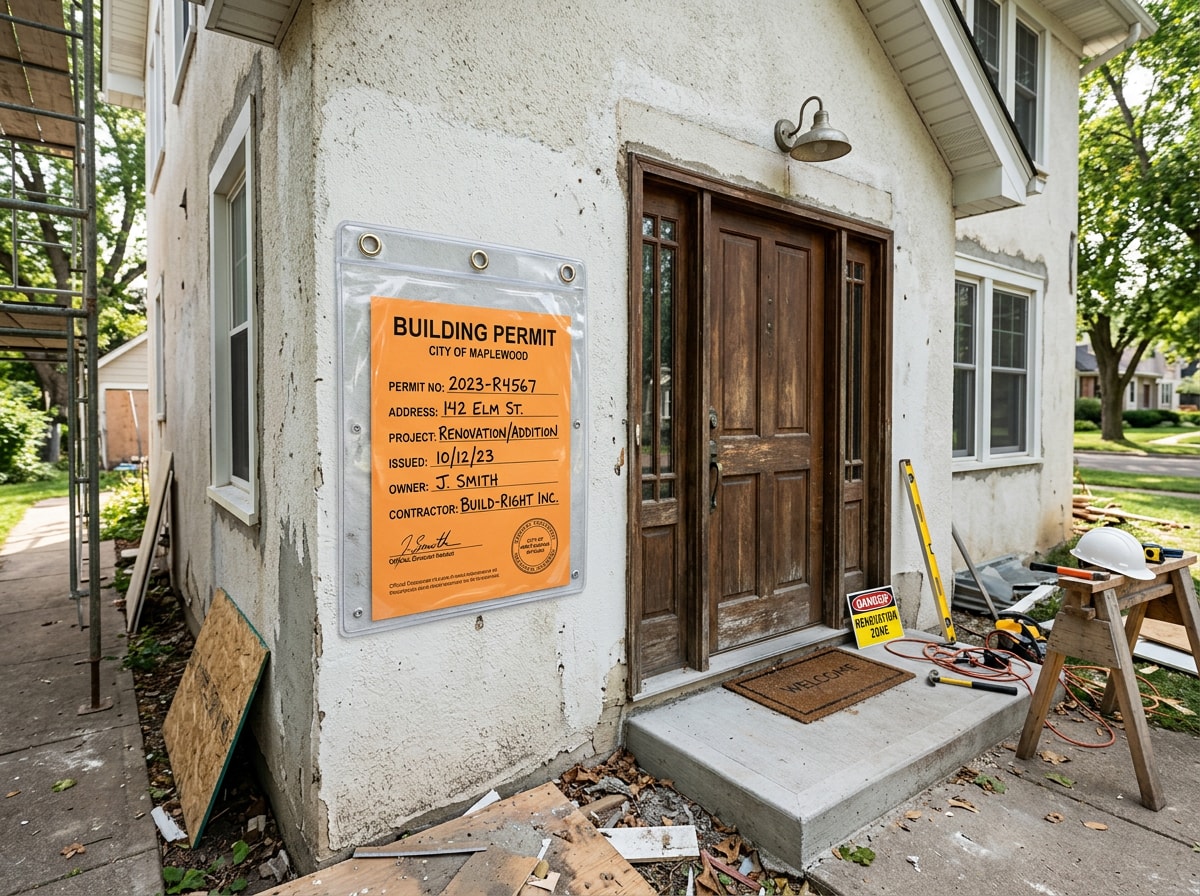
A building permit covers the general contractor's work, and subcontractors working under the GC's direction are required to pull their own permits for trades including electrical, mechanical, plumbing, gas, and roofing .
Applicants for permits must be contractors licensed to do business in the City of Pelham, or owners of the property when acting as their own contractor and providing material supervision themselves .
The contractor that holds the permit is required to call in for inspections, and requests must be made by 4:00 p.m. the day before the inspection is needed .
There is a $50 first re-inspection fee for inspections that are set up but not ready, increasing to $75 for a second and $100 for a third re-inspection .
In plain terms: even if your GC subcontracts a licensed electrician, that electrician pulls a separate electrical permit under their own license, and a failed or missed inspection costs real money. You can confirm current fees and schedule inspections through the City of Pelham Building Department.
When a GC Can Touch Electrical Work
"No" isn't always absolute everywhere, but in Alabama the exceptions are narrow. Some jurisdictions allow minor, cosmetic tasks that don't involve opening a circuit or panel.
Tasks sometimes allowed without a full electrical license:
- Replacing an existing light fixture on an already-wired circuit
- Swapping an outlet or switch cover on an existing circuit
- Low-voltage, cosmetic work that doesn't touch the panel or add a circuit
Tasks that almost always require a licensed electrician regardless of jurisdiction:
- Panel upgrades or service changes
- New circuits or rewiring
- EV charger installation (this requires a dedicated circuit under NEC Article 625)
Before assuming any task qualifies as "minor," confirm it with Pelham's building department directly. Thresholds and enforcement shift, and getting it wrong means redoing the work.
The Real Risk of Skipping the License
Beyond the legal question, there's a safety one. Home electrical fires account for an estimated 51,000 fires each year, nearly 500 deaths, more than 1,400 injuries, and $1.3 billion in property damage , according to the Electrical Safety Foundation International. Improper installation is a recurring factor in those numbers, not just equipment failure.
Unlicensed or undocumented electrical work also tends to surface at the worst possible moment, during a home sale inspection, an insurance claim, or a failed city inspection mid-renovation. The consequences stack up fast: re-inspection fees, project delays, potential fines, and insurers who deny claims tied to unpermitted work.
The Standard, Legal Way to Structure It
Subcontracting a licensed electrician isn't a workaround, it's simply how the system is built to work. A general contractor manages the schedule and the permit for their own scope; the electrician pulls their own permit, does the wiring, and signs off on their portion of the inspection.
This is exactly how most kitchen and bathroom remodels, home additions, and basement finishes get wired correctly in Pelham and across Shelby County. If you're planning a renovation that touches wiring, outlets, or a panel, see our Pelham, AL service area page for how we structure that coordination locally, or look at our Home Remodeling services and Kitchen and Bathroom Remodeling services to see where electrical work typically fits into a larger project scope.
For a deeper look at vetting an electrical team specifically, our guide on hiring the right electrical construction company walks through the same licensing checks from the electrician's side of the table.
FAQ
Can a general contractor legally perform electrical work in Alabama?
No, not unless that contractor also holds a separate license from the Alabama Electrical Contractors Board. A general contractor's license, whether issued by the commercial board or the Home Builders Licensure Board, does not cover electrical trade work.
Can a GC subcontract a licensed electrician?
Yes, and this is the standard, legally correct way most Pelham renovations get wired. The electrician pulls their own electrical permit and handles their own inspections, even though the GC manages the overall project and schedule.
Can a handyman do electrical work in Alabama?
Only very minor tasks like swapping a light fixture on an existing circuit. Anything involving a new circuit, a panel, or rewiring requires a licensed electrician regardless of who performs the rest of the project.
Does Alabama require an electrical license regardless of job cost?
Yes. Unlike general contracting, which has a dollar threshold before state licensure kicks in, electrical contracting in Alabama requires AECB licensure no matter how small or inexpensive the job is.
What happens if electrical work fails inspection in Pelham?
The inspector lists the required corrections, and the contractor who holds the permit has to fix them before scheduling a re-inspection. Pelham charges a $50 fee for the first re-inspection, rising to $75 and then $100 for additional re-inspections on the same issue.
Can a general contractor install an EV charger?
Generally no. EV charger installation requires a dedicated circuit, which falls under NEC Article 625 and almost always requires a licensed electrician, not a general contractor working alone.
Final Thoughts
A general contractor in Alabama can plan your project, hire your trades, and manage your permit, but they can't legally wire your panel unless they also hold an AECB license. Subcontracting a licensed electrician, with that electrician pulling their own Pelham permit, remains the standard and safest path for almost every remodel in Shelby County.
If you're planning a renovation that touches electrical work, start with a straightforward conversation about how we'll structure the licensing and permits before the first wall comes down. Request a professional quote or visit our homepage to see our full scope of remodeling services in Pelham.