Sunrooms in Bessemer, AL turn an unused patio or side yard into space you'll actually use, often for less money and a shorter timeline than a full home addition. Alabama's humid summers and mild winters mean glazing and insulation choices matter more here than in drier climates. Below you'll find 2026 pricing, the styles that hold up best locally, and the permit rules a lot of homeowners miss until it's too late.
Visit The Old Town Remodeler Inc. to see our services and request a free estimate.
Sunroom Styles That Perform Best in Bessemer's Climate
Jefferson County's combination of intense summer sun, high humidity, and the occasional ice storm narrows down which sunroom style actually makes sense. Most Bessemer homeowners end up choosing from four options:
- Screen room — Keeps bugs out for three-season lounging but offers no climate control. The cheapest entry point.
- 3-season sunroom — Insulated glass and a finished floor make it usable from early spring through fall, but it's not built to heat or cool through a hard freeze.
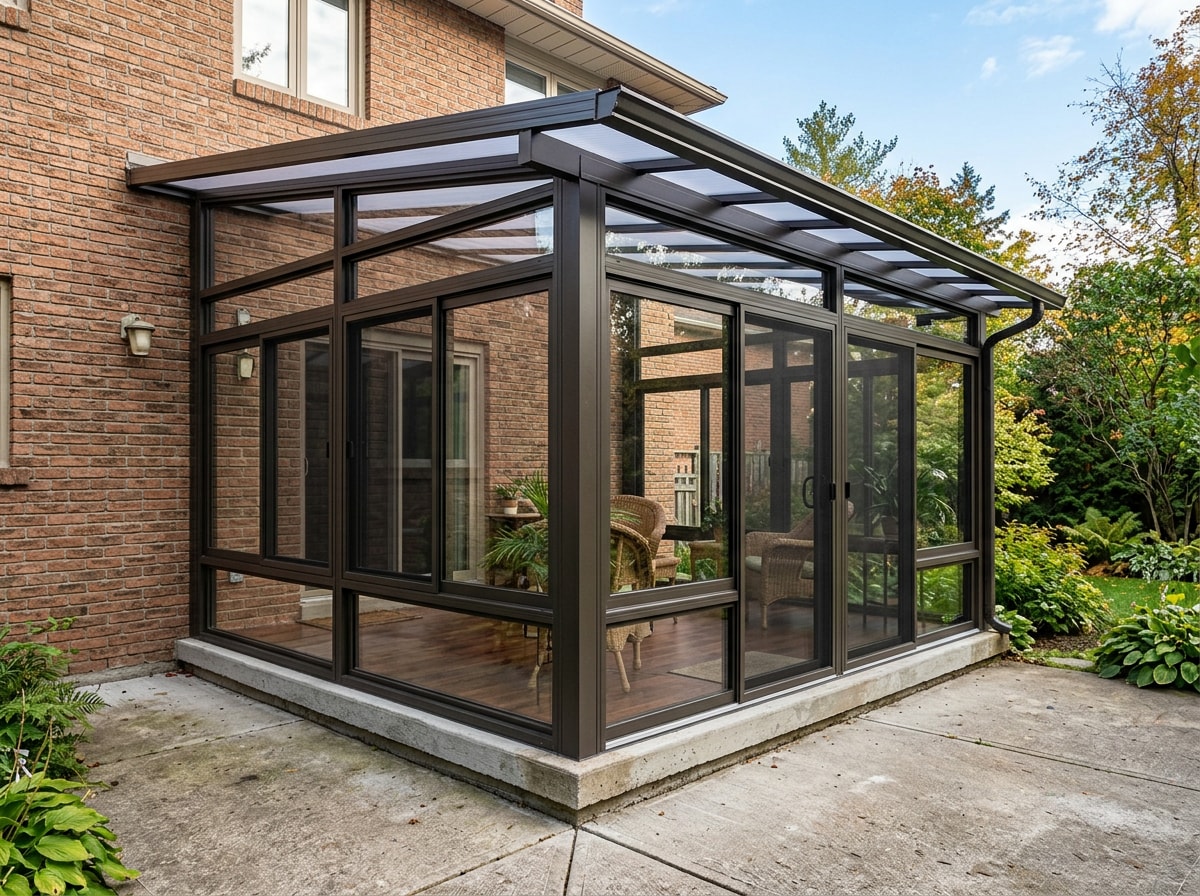
- 4-season sunroom — Full insulation, code-compliant glazing, and tie-in to your HVAC system make this a true year-round room, not just a glorified porch.
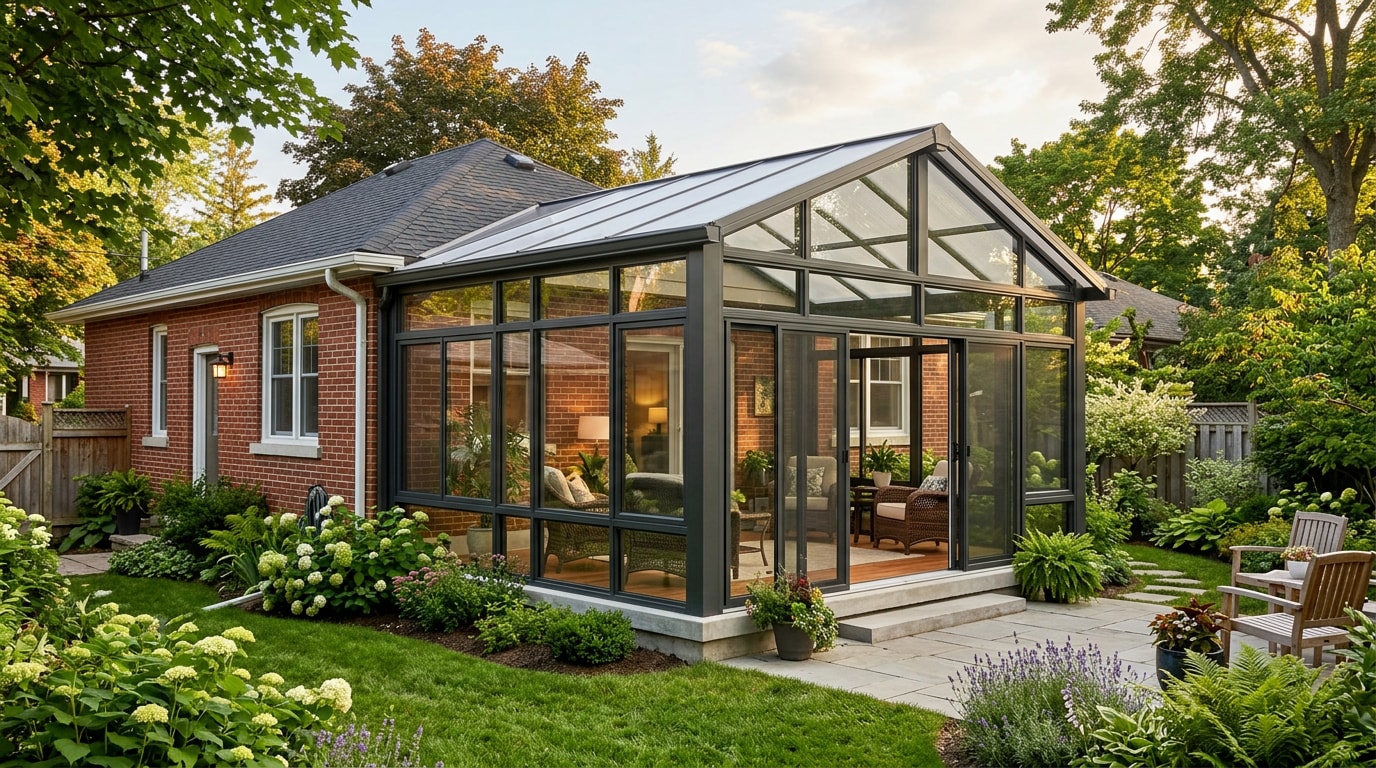
- Solarium or conservatory — An all-glass roof structure built for maximum light, usually the highest-end and most structurally complex option.
Two material choices show up across almost every quote you'll get locally. Acrylic roof panels cut glare while still letting in natural light, and they hold up reasonably well against Alabama's summer storms. Pairing that roof with aluminum framing resists the rust and warping that humidity causes in wood-framed structures over time, which is one reason most installers in this region default to aluminum rather than vinyl or wood.
2026 Sunroom Cost Guide for Bessemer, AL
Sunroom pricing varies more than almost any other home addition because the category covers everything from a basic screened-in patio to a custom glass conservatory. The table below reflects general 2026 planning ranges; a firm number still depends on your lot, foundation needs, and finish choices.
| Type | Typical Size | Cost Per Sq Ft | Est. 2026 Total Cost |
|---|---|---|---|
| Screen Room / 3-Season | 150–250 sq ft | $120–$230 | $18,000–$45,000 |
| 4-Season Sunroom | 150–300 sq ft | $200–$450 | $35,000–$85,000 |
| Solarium / Conservatory | 150–300 sq ft | $450–$700+ | $55,000–$130,000 |
As a rough example using the ranges above, a 200 sq ft 4-season sunroom with upgraded insulated glazing and a poured foundation typically lands between $45,000 and $70,000. The same footprint built as an uninsulated 3-season room, without any HVAC tie-in, usually comes in closer to $25,000–$30,000. The jump between the two isn't the glass. It's the insulation, foundation depth, and electrical or mini-split work required to make a room usable in January.
What Drives the Final Price
A few variables push bids up or down more than homeowners expect:
- Foundation type. A slab, crawlspace extension, or pier-and-beam setup each carries different prep costs, and sloped Bessemer lots sometimes need extra grading.
- Labor rates. Crews experienced with sunroom-specific glazing and flashing typically charge more than general handyman labor, and for good reason.
- Electrical and HVAC tie-ins. Running a mini-split or extending ductwork into a 4-season room adds real cost but is what makes the space usable year-round.
- Permitting and site prep. Clearing, grading, and inspection fees add up before a single panel goes up.
Alabama's Building Code and Permit Rules for Sunrooms
This is the part most contractor websites skip, and it's where homeowners get burned. The City of Bessemer currently enforces the 2021 International Building Code suite along with the 2020 National Electrical Code, and all contractors must hold a current city business license before a permit is issued. A sunroom counts as a permanent structural addition in virtually every Alabama jurisdiction, not a temporary structure, so skipping the permit step risks a stop-work order or a forced teardown later.
Alabama's residential energy code also has a rule built specifically for sunrooms. Under the state's adopted energy code, a sunroom enclosing conditioned space must meet a maximum fenestration U-factor of 0.45 and a maximum skylight U-factor of 0.70, with minimum wall insulation of R-13 regardless of climate zone. That's a detail most sunroom sales pages never mention, and it's exactly why an unconditioned 3-season room and a code-compliant 4-season room aren't priced (or built) the same way.
A licensed contractor typically pulls the permit as part of the project scope, so this shouldn't fall on you directly, but confirm it's in writing before work starts.
Choosing the Right Sunroom Contractor in Bessemer
Not every installer offers the same accountability or pricing clarity, and the difference usually shows up after the sale, not before it.
Single-source accountability matters. A contractor who handles design, framing, glazing, and warranty service under one roof avoids the finger-pointing that happens when a manufacturer and an installer blame each other for a leak. Ask specifically about glass seal failure coverage, since Alabama's heat and humidity put extra stress on window seals over time.
Glazing performance should be verifiable, not just claimed. Ask for NFRC and ENERGY STAR performance labels on any glass package you're quoted. Those ratings are the only standardized way to compare U-factor and solar heat gain across different manufacturers.
All-inclusive pricing should bundle permitting, site prep, and cleanup, not just materials and labor. Ask upfront whether a quote includes everything or whether permit fees, electrical tie-ins, and haul-away get added later. Many contractors also offer financing, including low-interest monthly plans, so it's worth comparing terms across a couple of quotes before committing.
In our own project work across Jefferson and Shelby counties, the sunroom add-ons that cause the most change orders are almost always foundation surprises on sloped lots and underestimated electrical scope, not the glass itself. A contractor who walks the site and asks about both before writing a number is usually the one worth hiring.
Pair Your Sunroom With Other Outdoor Upgrades
A sunroom rarely stands alone. Many Bessemer homeowners pair a new enclosure with a deck rebuild or railing upgrade to create one cohesive outdoor living space instead of tackling projects piecemeal. Planning a sunroom and a deck build together can also simplify permitting and reduce total labor cost compared to scheduling each project separately.
If a full sunroom feels like a bigger scope than you need right now, a home addition or a remodeling consultation can help you figure out which approach actually fits your lot and budget. We cover a similar cost-and-planning breakdown in our guide to home additions in McCalla, AL, which is useful background if you're still deciding between an addition and a sunroom.
Ready to get a firm number for your property? Request a professional quote and we'll walk your lot, review the code requirements for your specific address, and give you a written estimate, not a ballpark guess.
FAQ
Do I need a permit for a sunroom in Bessemer, AL?
Yes. Sunrooms are permanent structural additions under the building code, not temporary structures, so a permit is required before construction starts. The City of Bessemer's Building Inspections department handles review and issuance; confirm with them or your contractor before signing a contract.
How much does a sunroom cost in Bessemer, AL?
Expect roughly $18,000 to $45,000 for a 3-season sunroom and $35,000 to $85,000 for a fully insulated 4-season room, depending on size, foundation type, and whether HVAC is included. See the full cost table above for a size-by-size breakdown.
Does a sunroom add value to a home?
It depends heavily on whether the room is conditioned. A properly insulated 4-season sunroom is closer to true living space in an appraiser's eyes and tends to recoup more of its cost than an unconditioned 3-season room. Local market conditions and the quality of the build both affect the actual resale bump.
How long does it take to build a sunroom?
Plan on a few weeks for design and permitting, then 4 to 8 weeks of on-site construction. Prefabricated kits move faster than fully custom builds, which need extra lead time for framing and glazing materials.
What's the cheapest type of sunroom to build?
A screen room or basic 3-season enclosure is the lowest-cost option since it skips insulation, HVAC tie-in, and the foundation depth a 4-season room requires. It's a trade-off: lower upfront cost, but no winter use.
Will a sunroom get too hot in Bessemer's summer heat?
Not if it's specced correctly. Low-E glazing, acrylic roof panels, and a properly sized mini-split keep a 4-season room comfortable through Alabama summers. An uninsulated 3-season room without shading or ventilation will run hot by mid-afternoon in July and August, which is why most owners add a ceiling fan or awning at minimum.