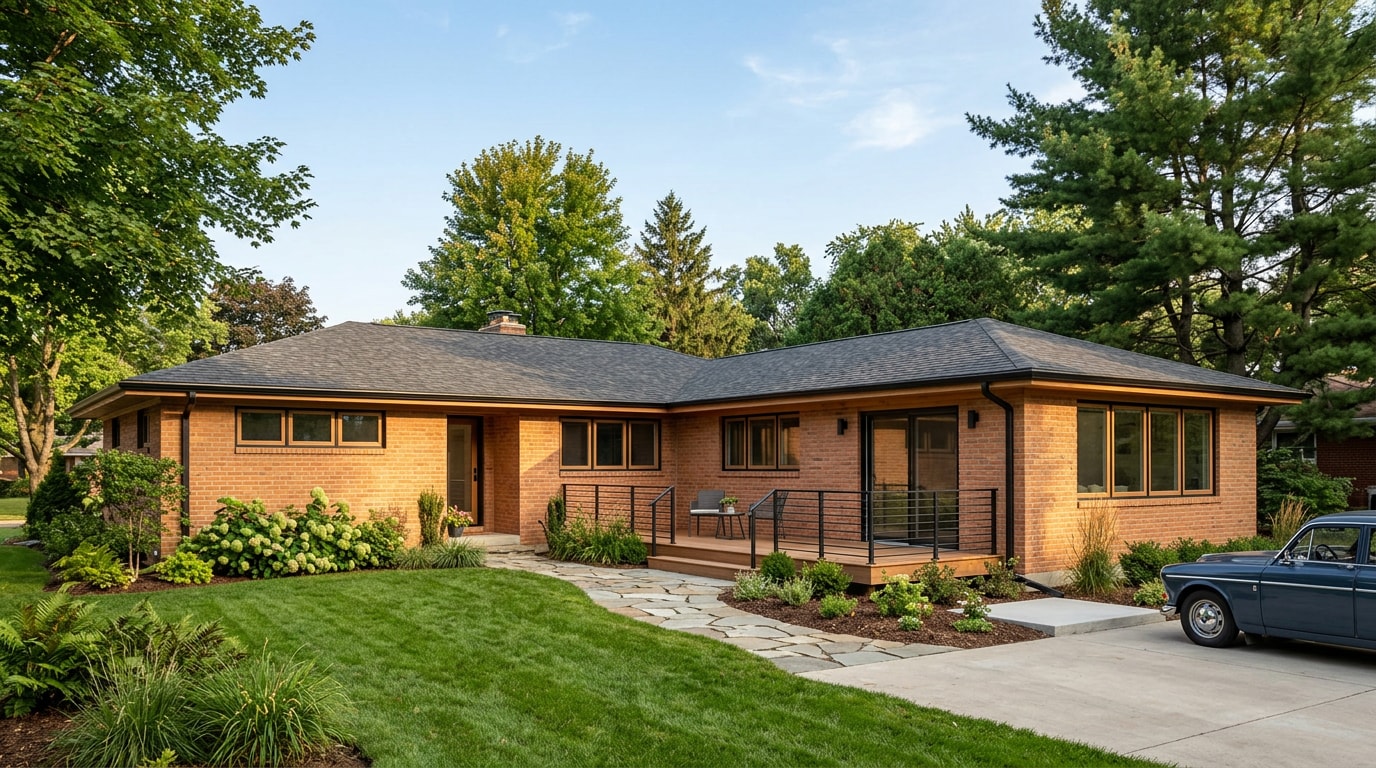
Project management for residential construction in Gardendale, AL means one person owns your schedule, your permits, and every subcontractor on site, not you. Homeowners who skip this structure end up calling the electrician, then the framer, then the inspector, while deadlines quietly slip. Here's what a properly managed remodel actually looks like, what it costs, and how to tell if your project needs it.
What a Project Manager Actually Does on a Gardendale Remodel
On a self-coordinated job, the homeowner is the scheduler. They track permits, chase subcontractors, and absorb every delay personally.
A dedicated project manager replaces that with a single point of contact. That person sequences every trade, confirms permits before work starts, and keeps the job moving even when one subcontractor runs behind.
This matters most on additions, full renovations, and multi-trade remodels, where several crews overlap on one site and a missed handoff between trades can stall the entire job. Browse our kitchen and bathroom remodeling services or home remodeling services to see the project types this structure applies to.
The 5 Phases of Residential Project Management
Professional oversight on a residential build breaks into five distinct phases. Each one has an owner, a timeline, and a checkpoint with the homeowner.
- Pre-construction and permitting — scope is finalized, drawings are confirmed, and permits are filed before any demo starts.
- Scheduling — trades are sequenced in the order the job actually requires, not the order they're available.
- Trade coordination — the project manager, not the homeowner, resolves conflicts between crews working the same space.
- Inspections — each required inspection is scheduled ahead of the next phase so work never has to be opened back up.
- Punch-list closeout — final items are tracked to completion instead of lingering for weeks after move-in.
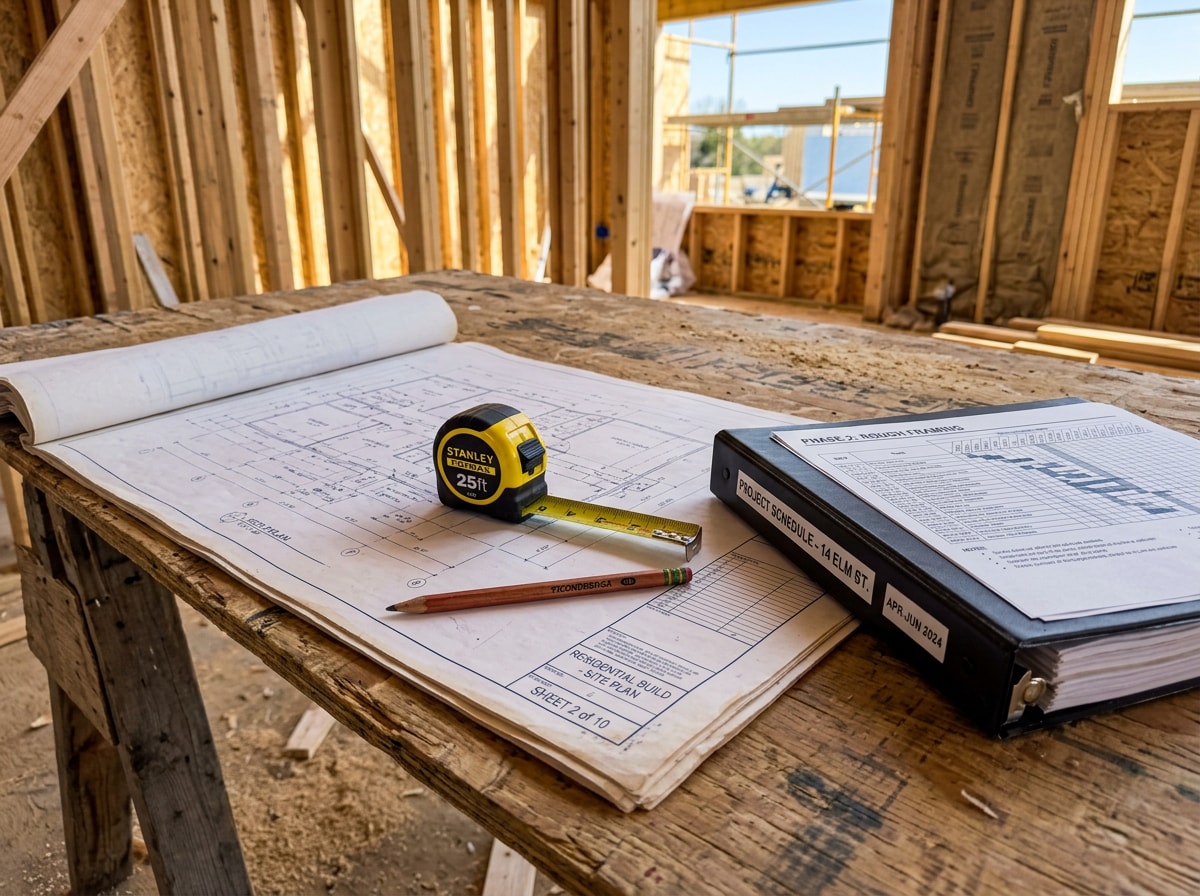
Most project managers now log daily progress, share job-site photos, and flag budget variances through tracking software, so surprises surface early instead of at final walkthrough.
What It Costs: Flat Fee vs. Percentage Pricing
Residential project management fees typically follow one of two structures. Which one fits depends on project size and complexity.
| Fee Structure | How It's Calculated | Best Suited For |
|---|---|---|
| Flat fee | Set dollar amount agreed before work starts | Smaller, single-scope renovations with a defined end point |
| Percentage of project cost | Often in the 10–20% range, scaled to total build cost | Additions, multi-trade remodels, and projects with evolving scope |
Ask any contractor you're vetting which structure they use and get it in writing before signing. A vague fee arrangement is one of the fastest ways a remodel goes over budget.
Why Local Experience Matters: Climate, Terrain, and Code
Gardendale's weather and lot conditions shape how a project gets sequenced. Humid summers and seasonal storms affect framing and exterior work timelines, and sloped lots common across the city require careful grading and drainage planning before foundation or addition work begins.
Local code familiarity matters just as much. In Gardendale, the Inspections & Permitting Department handles plan reviews, permit issuance, and inspections on every building component, and the city has published guidance on what triggers a permit for renovation work. A project manager who already knows that office, and the inspectors who work out of it, moves a job faster than one learning the process for the first time.
Demand for this kind of oversight isn't shrinking, either. The U.S. Bureau of Labor Statistics projects employment for construction managers to grow much faster than average through 2035, which tracks with what we see on the ground: more homeowners taking on additions and full remodels want a single accountable manager running the job, not a loose network of subcontractors.
We've written in more detail about how this structure plays out on larger jobs in our guide to construction project management services in Mountain Brook, AL, which covers many of the same sequencing and communication principles that apply to Gardendale builds.
Structural Additions and Multi-Trade Projects in Gardendale
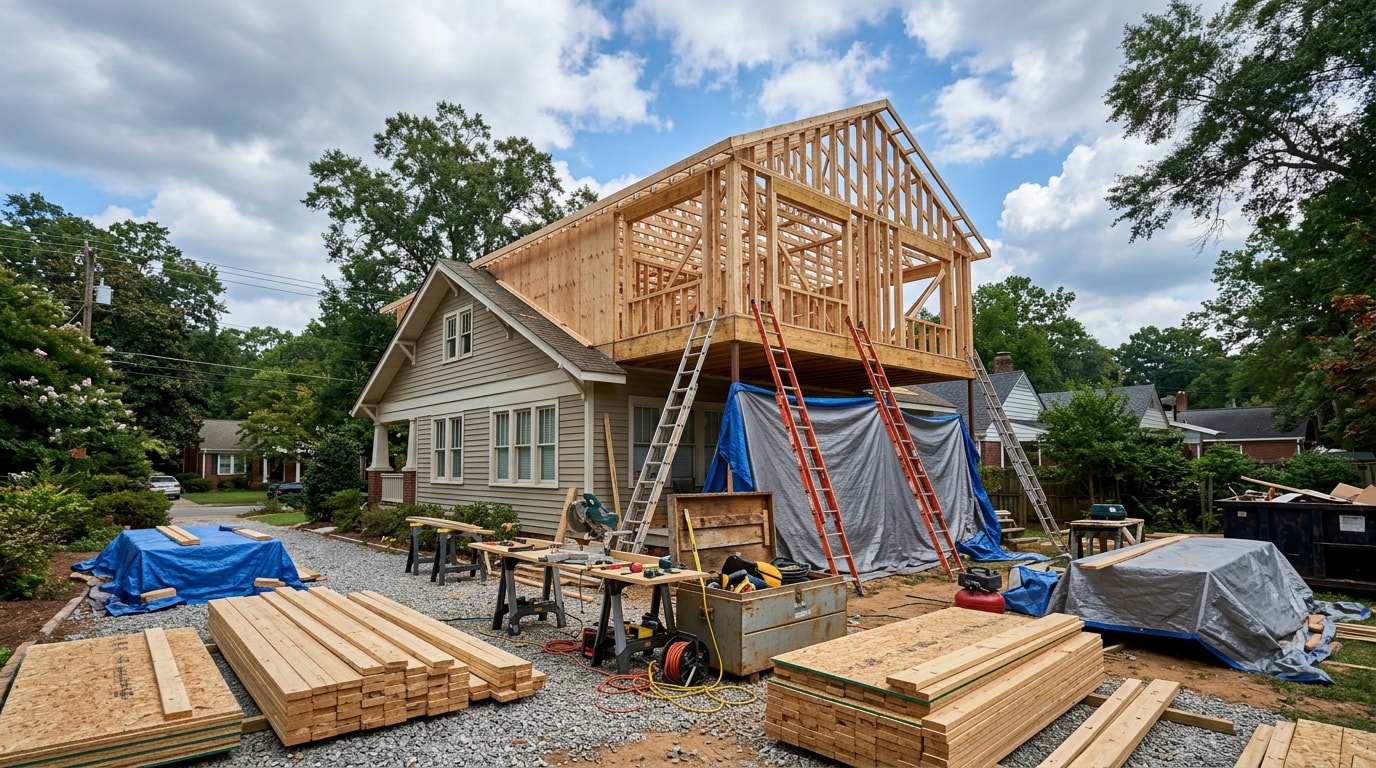
Second-story additions and basement finishing projects are where the value of a project manager shows up most clearly. Framing, structural engineering sign-off, and inspections have to happen in a strict order before any finish work begins.
Skipping that order to save a day on-site is one of the most common ways a remodel loses a week later. We sequence home additions and basement finishing projects so structural sign-off always happens before drywall goes up, and any interior demolition required is scoped and permitted ahead of time, not discovered mid-job.
Serving Gardendale and the Surrounding Communities
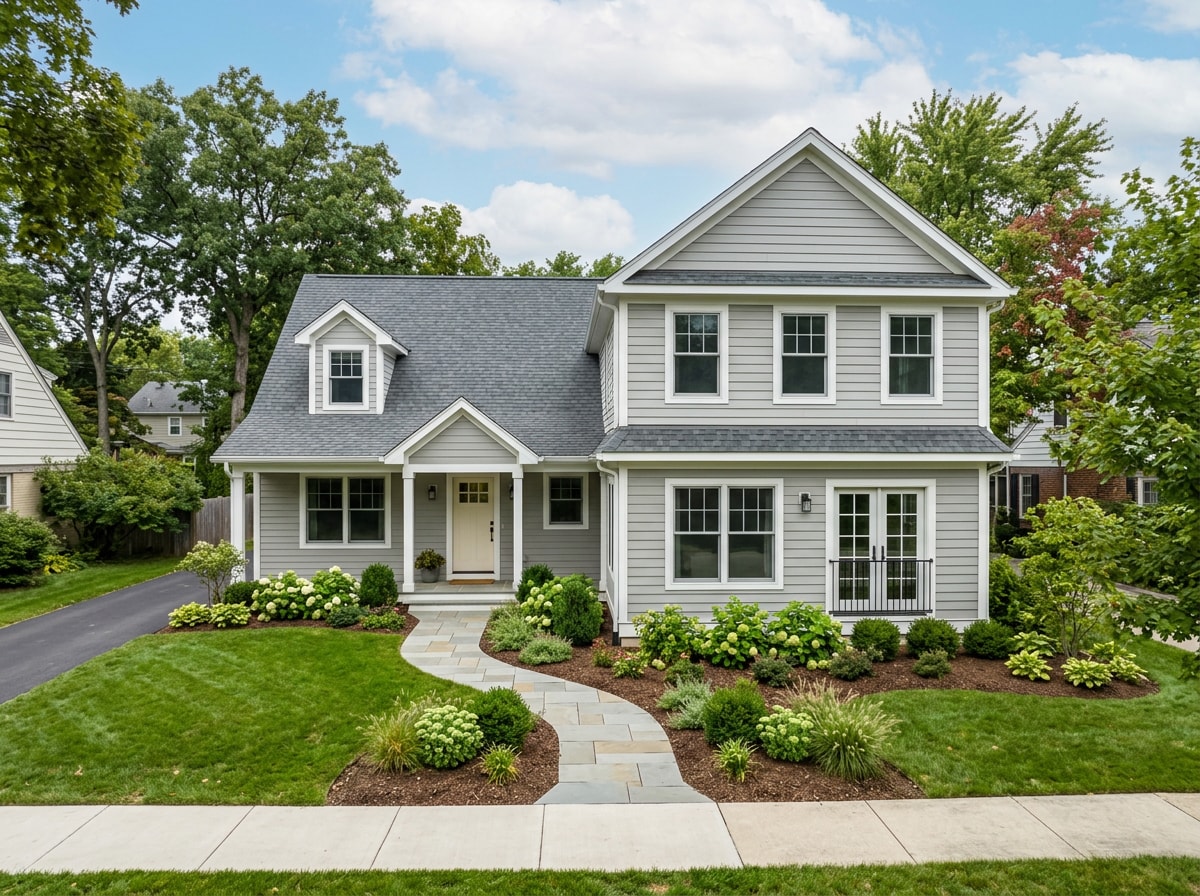
We work across Gardendale's established neighborhoods and the newer developments along its outer corridors, which means we already know the permitting office, the typical lot conditions, and the inspectors across town. See our service area coverage for Gardendale specifically.
We also serve homeowners throughout the greater Birmingham metro, including:
If you're not sure whether your scope needs full project management or just a single trade, a remodeling consultation is the fastest way to find out.
Why Gardendale Homeowners Choose The Old Town Remodeler
Homeowners choose a project-managed approach because it means consistent communication throughout the build, proven materials and sequencing, and a team with real local reputation at stake. In 20 years of managing remodels across Jefferson County, the jobs that stay on budget are almost always the ones where one person owned the schedule from permit to punch list, not the ones where the homeowner was fielding calls from three trades at once.
Take a look at our completed projects to see that structure in practice, or visit our homepage for a full overview of how we work.

Ready to talk through your project? Request a professional quote and we'll walk through scope, timeline, and budget together before any work starts.
Frequently Asked Questions
Do you pull permits for home remodeling work in Gardendale?
Yes. Permit handling is a standard part of professional project management. Code compliance is confirmed directly through Gardendale's Inspections & Permitting Department, not assumed by the contractor.
What's the difference between a general contractor and a construction project manager?
A general contractor typically holds the contract and performs or subcontracts the physical work. A project manager focuses specifically on sequencing, scheduling, and coordination, sometimes as a separate role and sometimes as part of the general contractor's scope on larger jobs. On most residential remodels, one person fills both functions.
How much does a residential construction project manager cost?
Fees typically run as either a flat fee or a percentage of total project cost, often in the 10–20% range depending on complexity. For broader context on the role and national compensation trends, the U.S. Bureau of Labor Statistics tracks data on construction managers.
Do I need a project manager for a home renovation?
Smaller, single-trade jobs may not need dedicated oversight. Multi-trade or structural projects, like additions or full renovations, benefit significantly from it, since several trades working in sequence create more opportunities for delay and miscommunication without one person tracking the schedule.
Should I hire a general contractor or manage subcontractors myself in Gardendale?
For anything beyond a single-trade repair, hiring a general contractor or project manager is almost always faster and cheaper in the long run. Self-managing multiple subcontractors means you absorb every scheduling conflict, inspection delay, and change order personally. Residential builders in Alabama must also be licensed through the Alabama Home Builders Licensure Board for most unlimited-scope work, which is worth confirming before you hire.
How do you handle unexpected issues discovered during remodeling?
Hidden structural or moisture issues sometimes surface mid-project, especially on older homes. Part of a project manager's role is contingency planning and clear change-order communication, so an unexpected issue becomes a documented decision instead of an unexplained delay.
About the author: Daniel Pruitt is the Lead Project Manager at The Old Town Remodeler, an Alabama-licensed general contractor who has managed residential remodels and additions across Jefferson and Shelby counties for more than 15 years. Questions about a specific project? Contact our team directly.